
Checkout Latest News and Articles
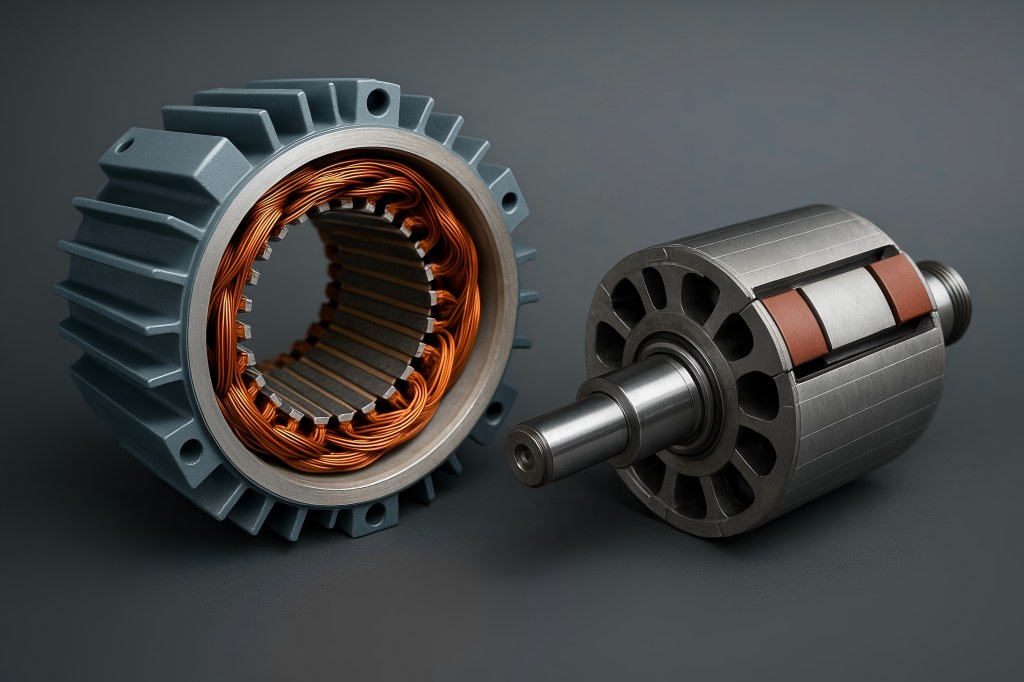
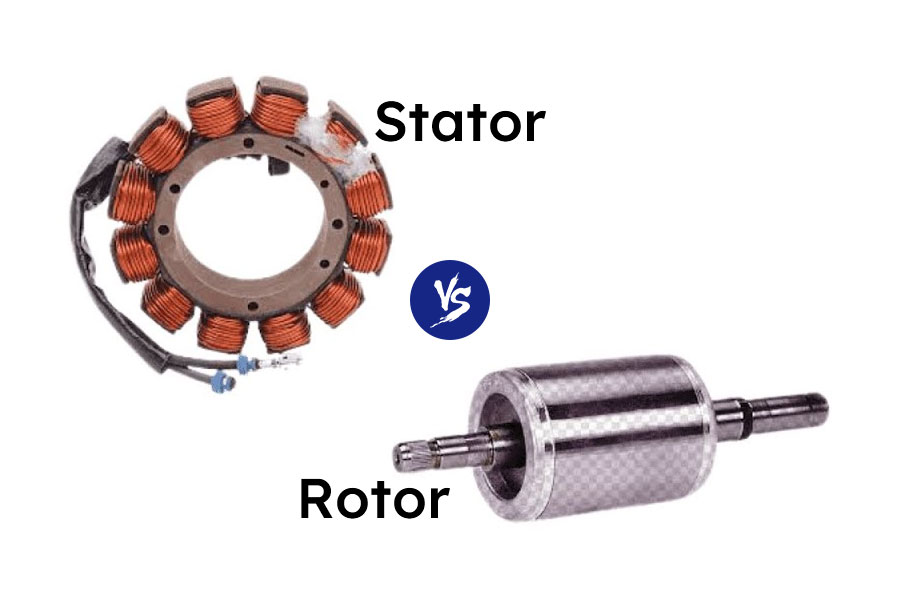
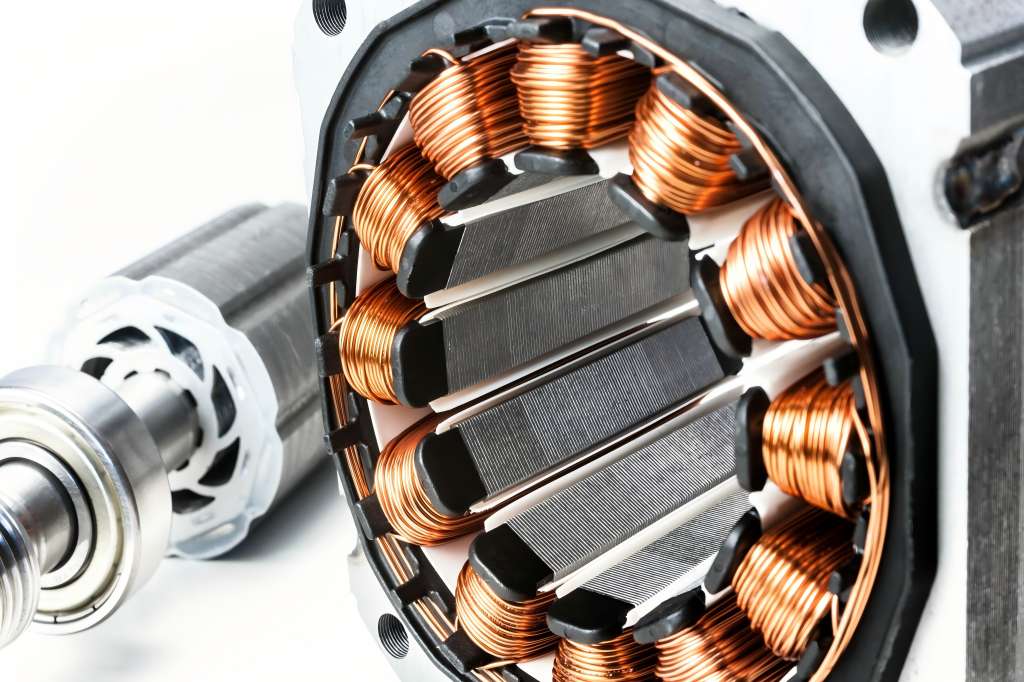
Electric motors power many of today’s devices and machines—from home appliances to industrial systems and electric cars. Two essential components are at the heart of every motor: the rotor and the stator.
Read Article
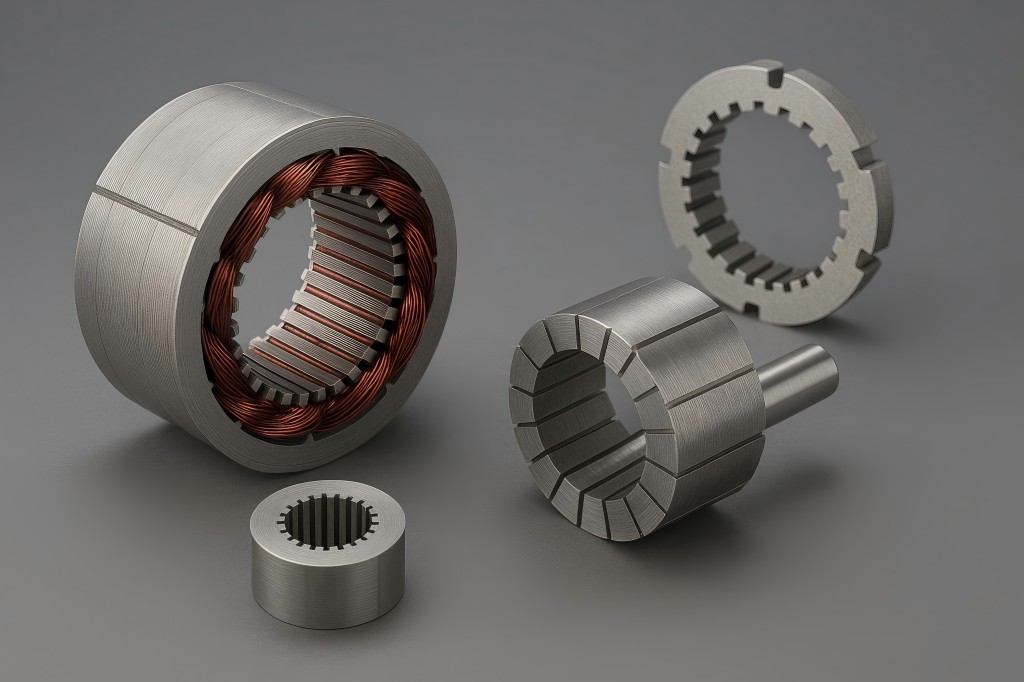
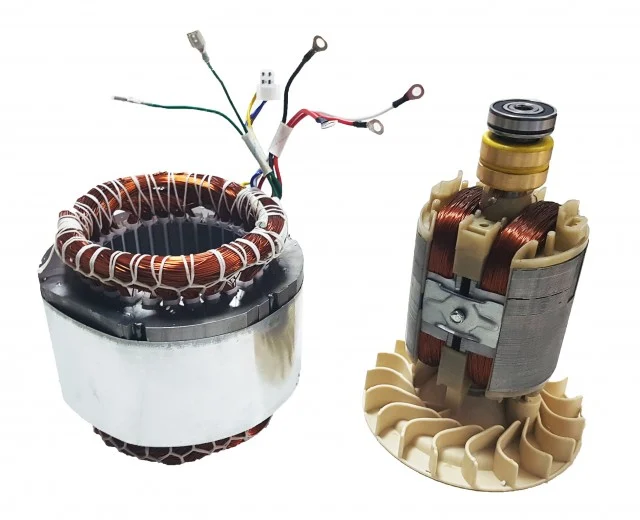
Electric motors and generators in vehicles, machines, appliances, and turbines all depend on one key part: the motor core. Though often unseen, its design greatly affects efficiency, torque, heat control, and noise.
Read Article
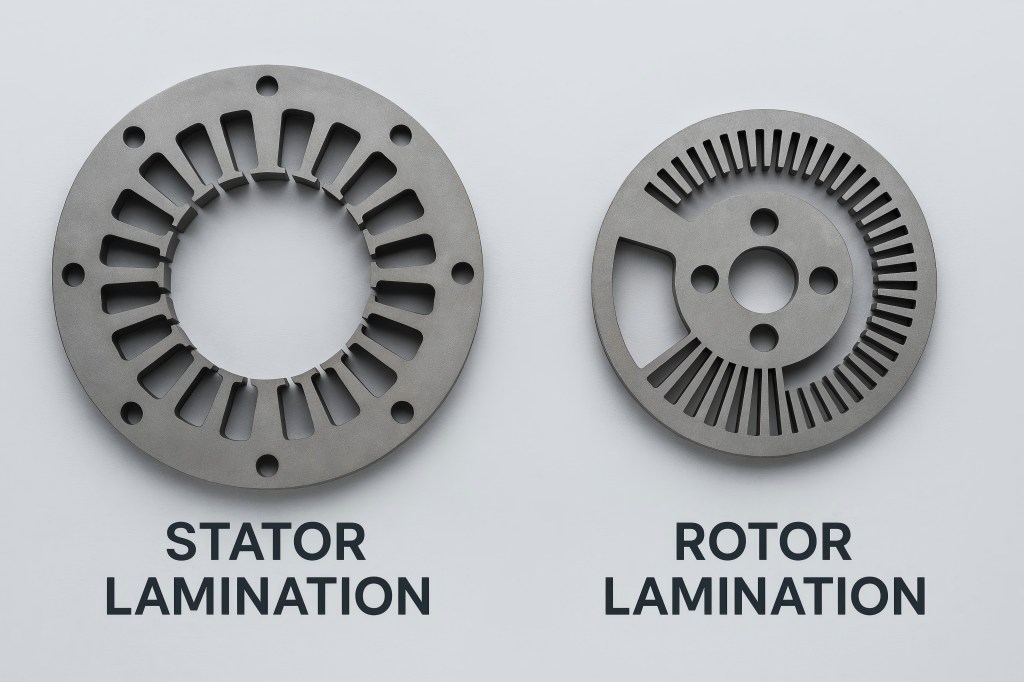
In electric motors, stator and rotor laminations play crucial yet distinct roles in determining overall motor efficiency. Although these components are often mentioned together, their designs, functions, and structural requirements vary significantly.
Read Article
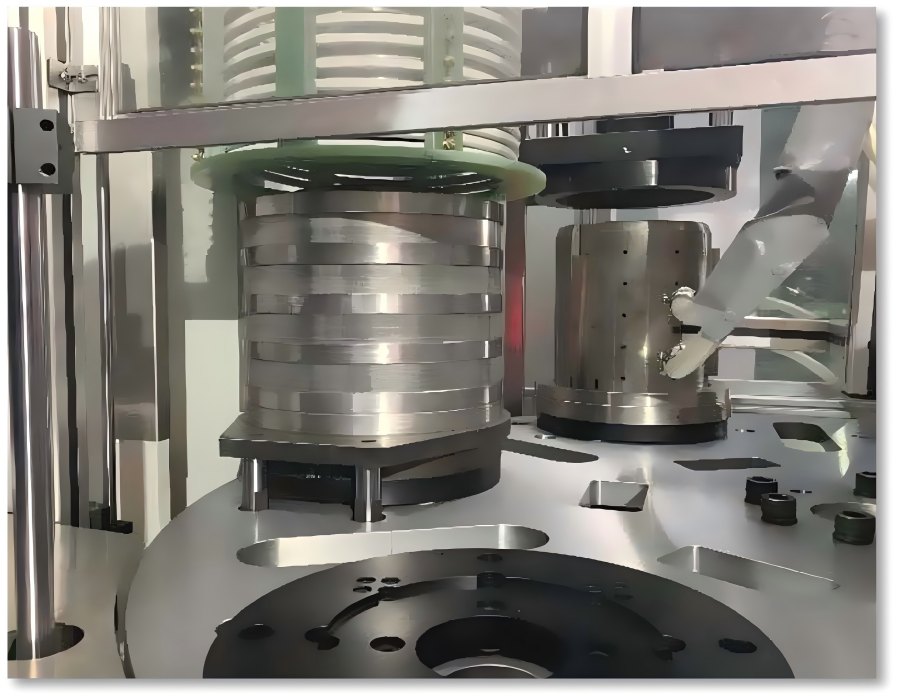
In today’s fast-moving world of high-speed electric motors—used in EVs, drones, robotics, and aerospace—demands for higher efficiency, lighter weight, and more power are growing. A key innovation meeting these needs is optimized rotor-stator bonding. This method improves both strength and heat handling in motors running at high speeds.
Read Article
Electric motors power many modern technologies, from electric vehicles to household appliances and industrial machines. At their core are two key parts: the stator and the rotor.
Read Article
Generators play a crucial role in modern infrastructure. They maintain the gear and lights of power plants and industrial buildings. However, failures in key components—especially the stator and rotor—can result in costly downtime and equipment damage.
Read Article
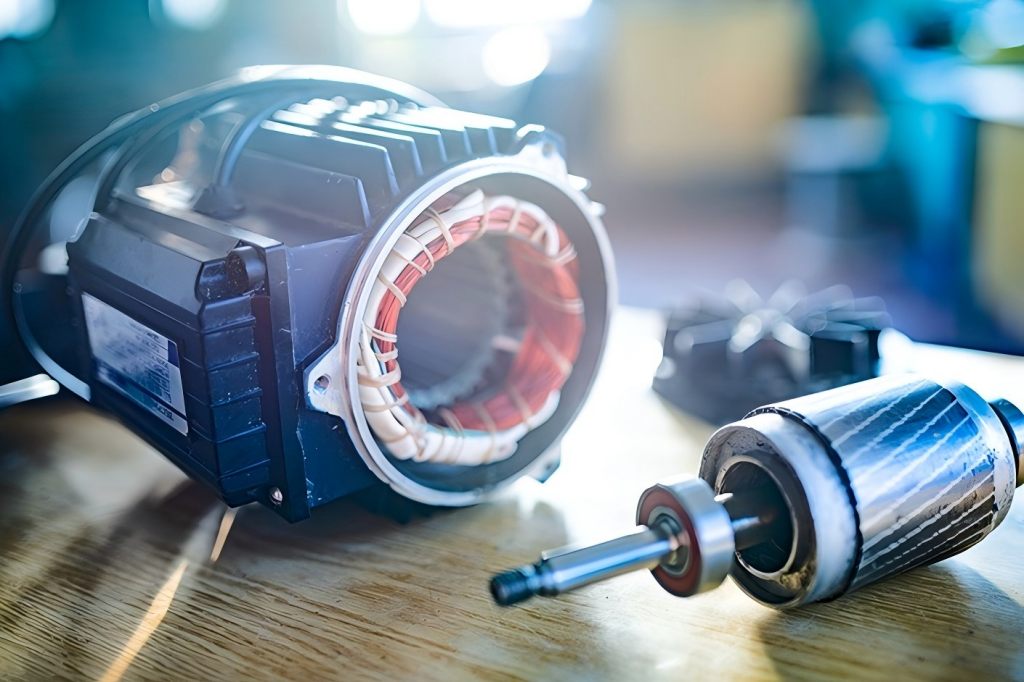
Across industries ranging from electric vehicles and automation to home appliances and aerospace systems, electric motors serve as the driving force behind motion and energy conversion. The stator and the rotor are two essential parts that are essential to these machines’ functioning.
Read Article
In electric motor design, one of the most overlooked but critically important elements is the number of slots in the stator and rotor. These slots are not just structural features; they profoundly influence the motor’s torque, vibration, thermal behavior, and efficiency.
Read Article
Engineers and manufacturers are continually improving motor design to boost efficiency and compactness. One key yet often overlooked factor is the stator slot fill rate, which impacts electrical performance, heat management, and manufacturability.
Read Article
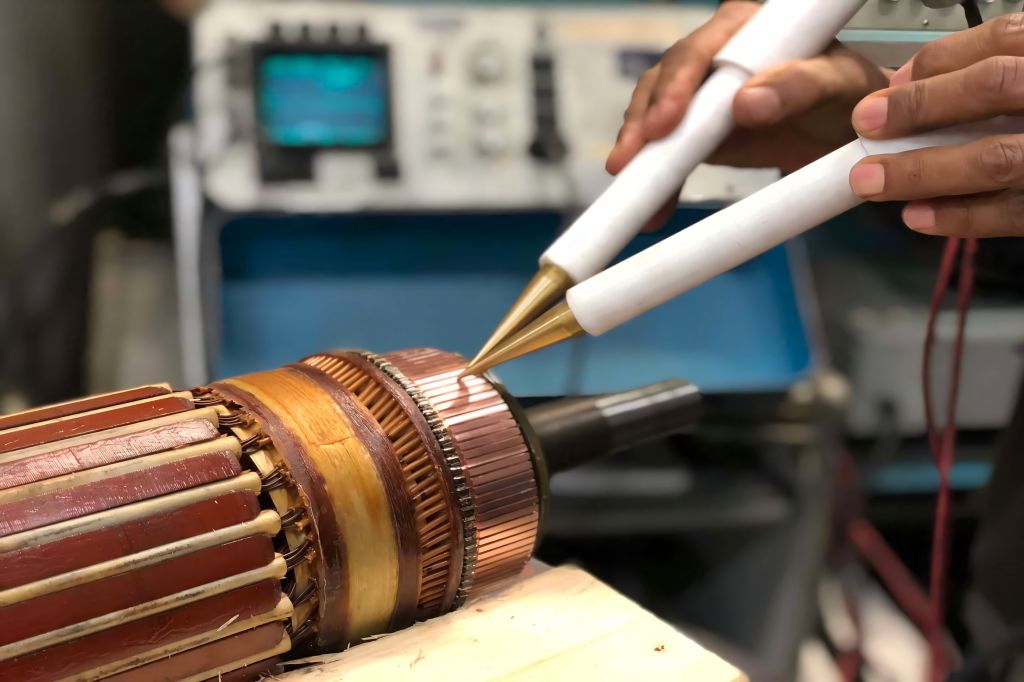
Ensuring the health of motor stators is essential in keeping industrial systems reliable and efficient. Even minor issues can escalate into critical failures, so accurate and timely testing methods are key to avoiding costly downtimes.
Read Article
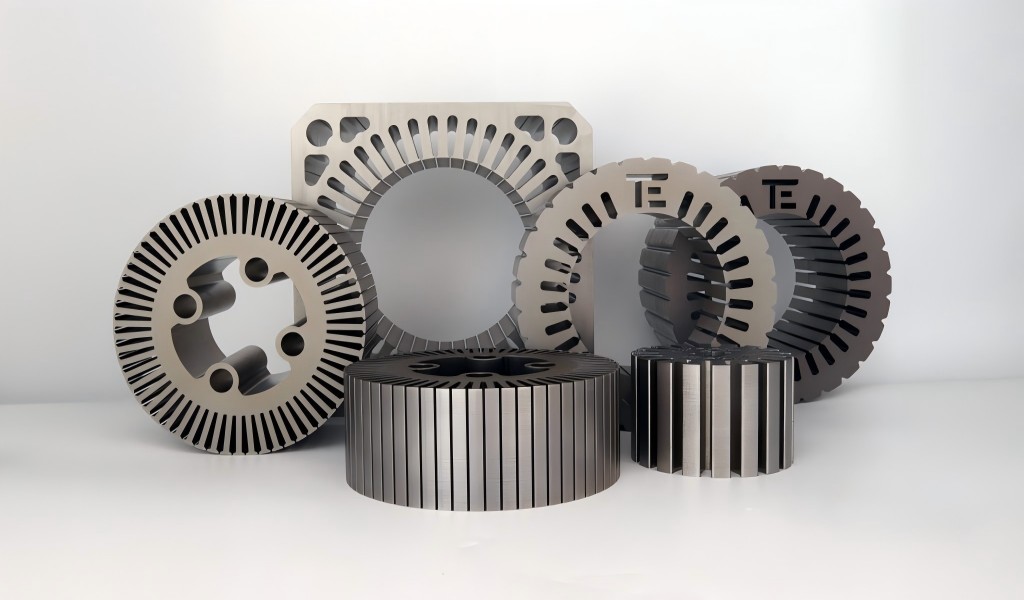
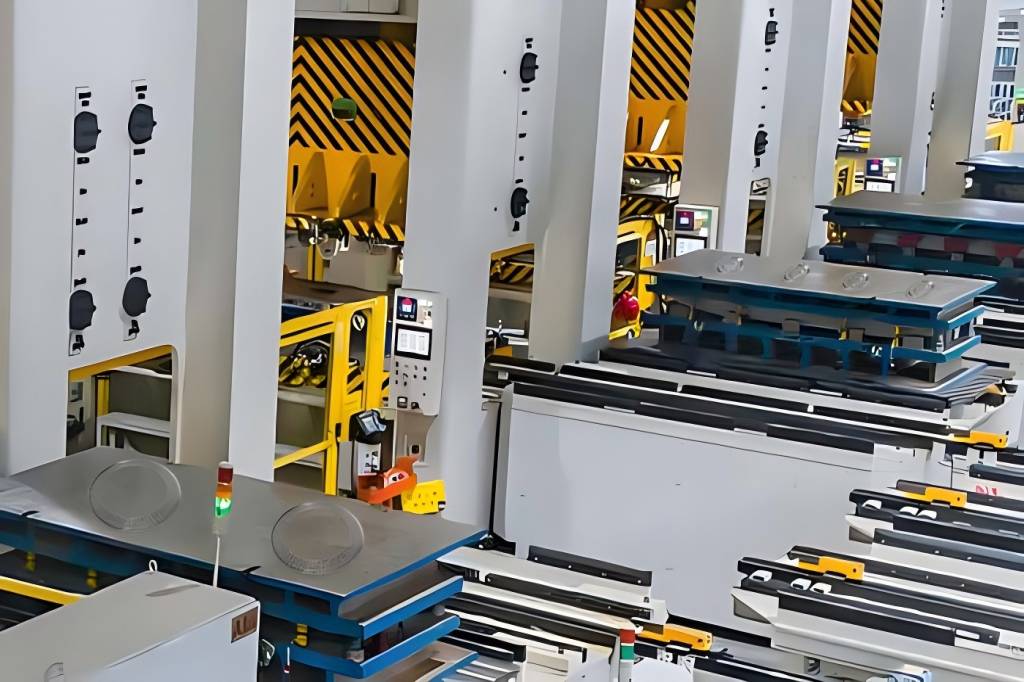
Amid the growing global demand for energy conservation and environmental responsibility, new quality standards are being introduced for stator and rotor laminations. These thin, precision-engineered sheets—essential to electric motors and generators—are now at the heart of efforts to meet increasingly strict energy efficiency regulations across international markets.
Read Article
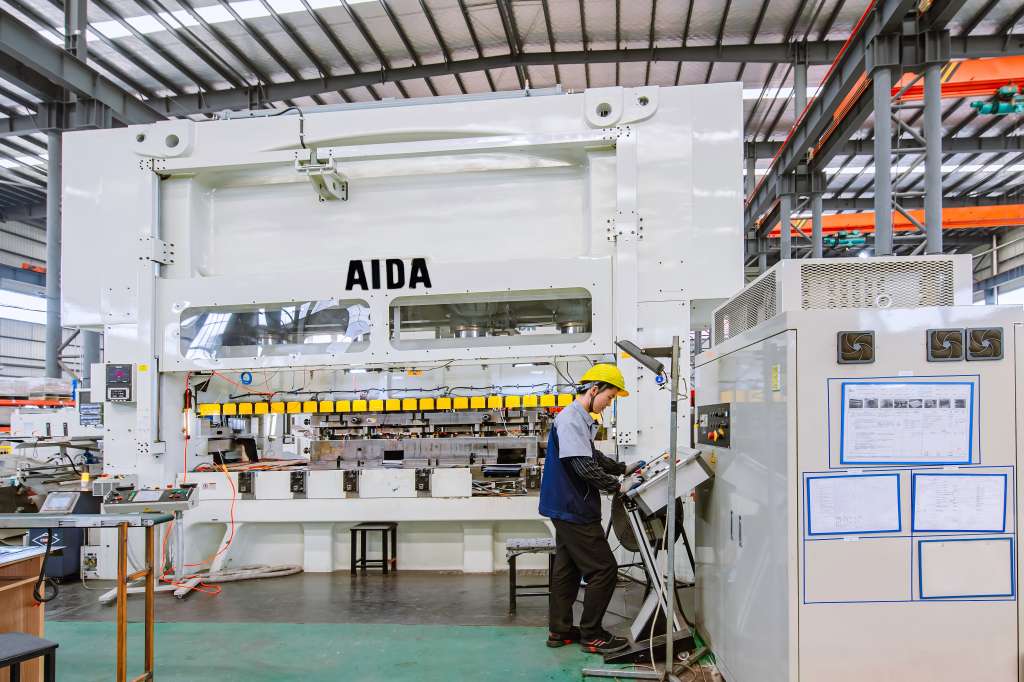
As the aerospace industry lifts off toward an electrified future, stator and rotor stack manufacturers are quietly but critically enabling the journey. Their innovations in materials, manufacturing, and simulation are shaping the motors that will power tomorrow’s skies.
Read Article