Checkout Latest News and Articles

Buying stator and rotor assemblies is an important decision: the wrong core steel, tolerances, or insulation can lock in losses and reliability issues for years. Use these ten questions to evaluate suppliers and secure robust, efficient parts.
Read Article
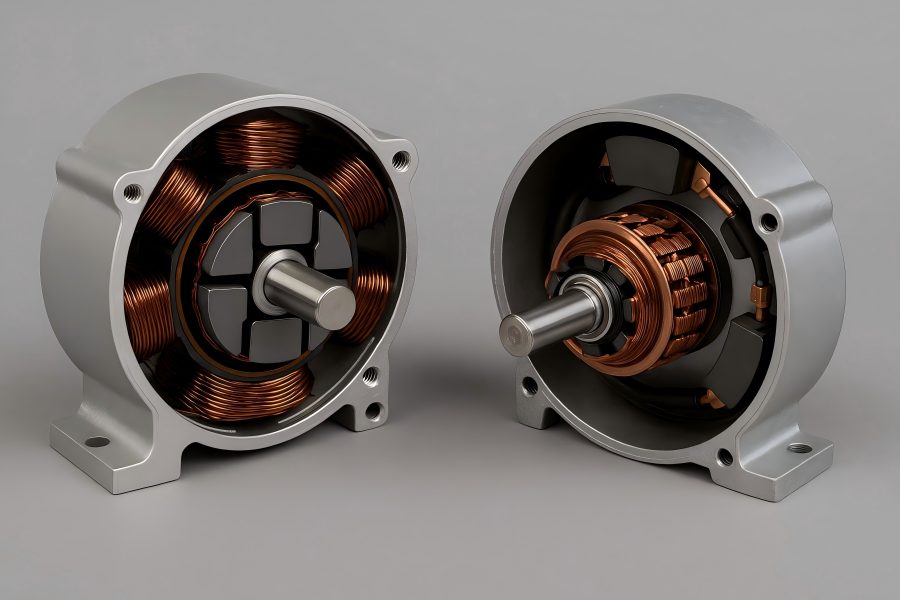
As a China-based manufacturer of motor stator and rotor, we’re often asked which brushless DC (BLDC) topology—inner-rotor or outer-rotor—delivers better performance. The honest answer: it depends on your torque, speed, envelope, and cost targets.
Read Article
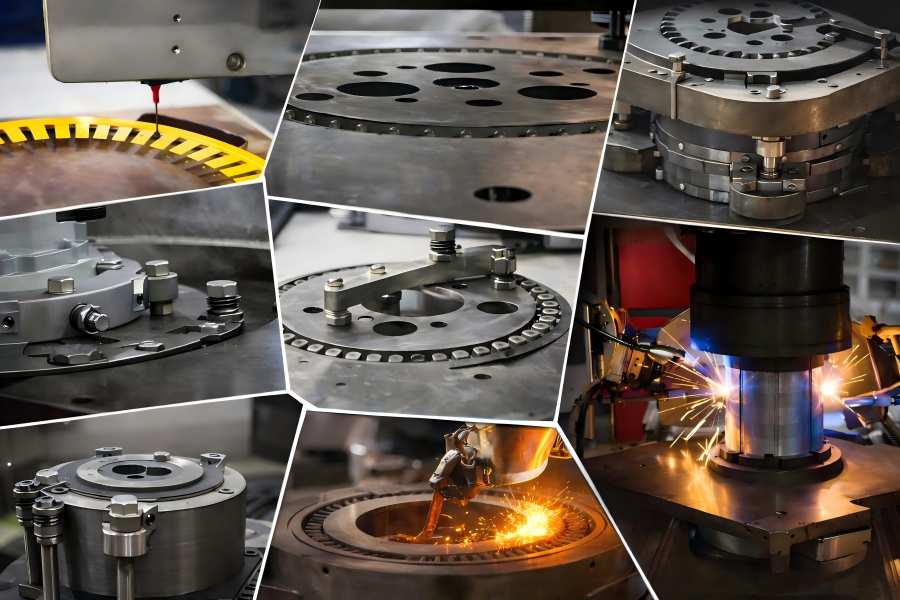
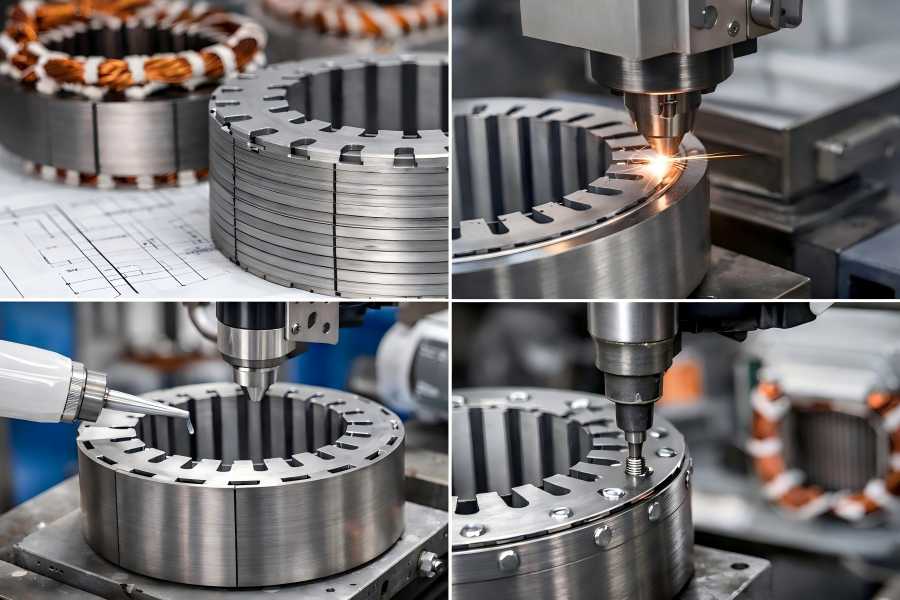
Both technologies can produce burr-free, low-loss rotor and stator stacks when run in a capable window. Laser shines for speed to market, design agility, and fine features; stamping dominates for stable designs at automotive scale with the lowest cost per lamination.
Read Article
Selecting the right non-oriented electrical steel (NOES) grade is one of the most powerful—and cost-effective—ways to push motor efficiency toward IE4/IE5 targets.
Read Article
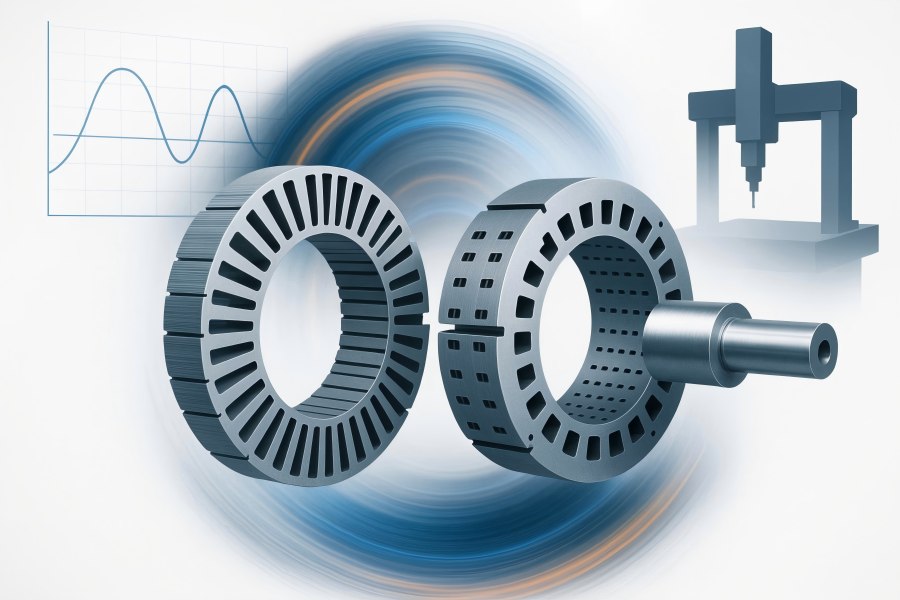
Induction motors power many industrial systems like fans, elevators, and conveyors. The stator and rotor must meet strict dimensional tolerances to work properly. Even small errors can cause energy loss, noise, vibration, or failure.
Read Article
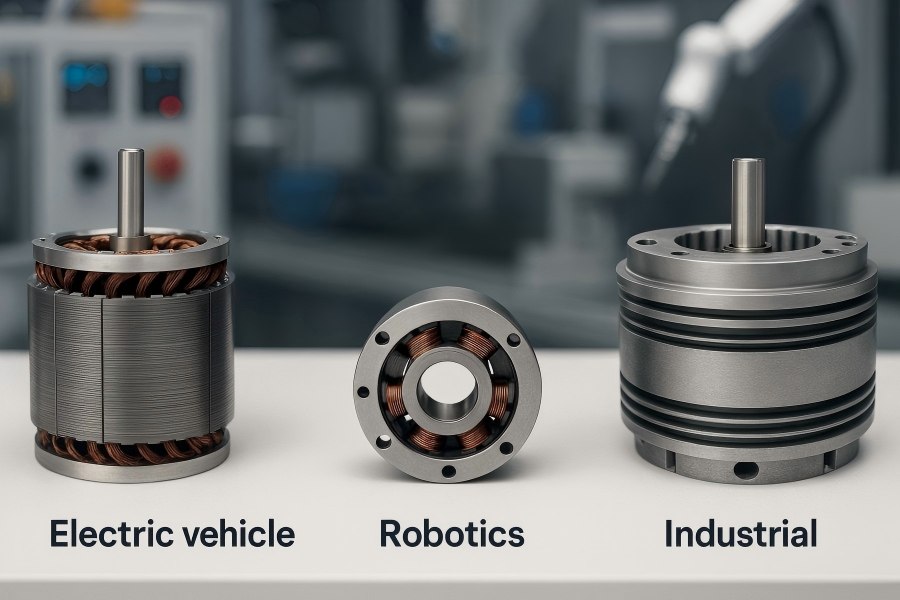
Robotics is growing fast and needs more precise, efficient motion control. Stepper motors help, but standard types often fall short. Custom stators and rotors are now crucial for meeting specific robotic needs.
Read Article
As industries aim to save energy, electric motors are crucial for cutting power use and supporting sustainability. Their performance relies on two key parts: the stator and rotor.
Read Article
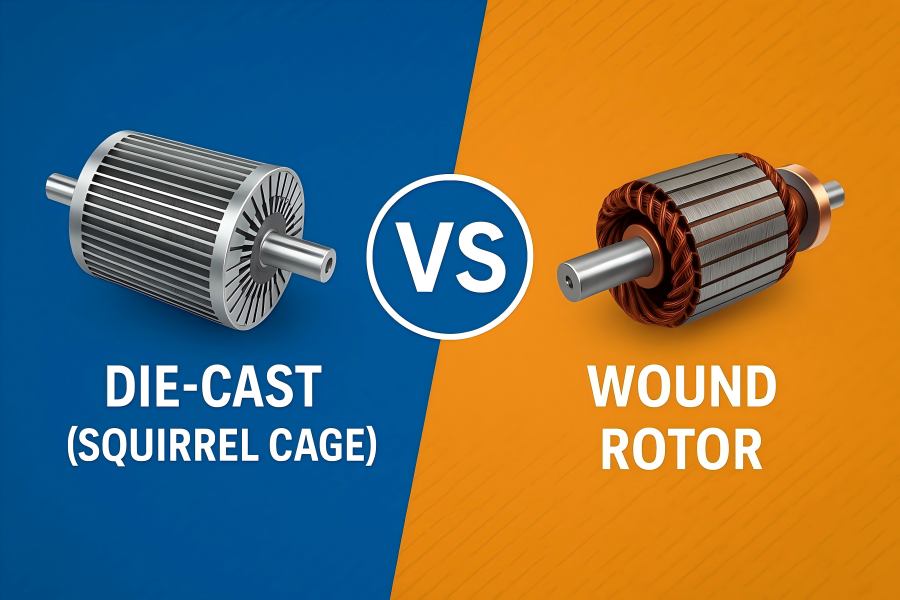
Modern industry’s workhorses are induction motors. But behind their reliability lies a complex and demanding fabrication process—especially when it comes to their core components: the stator and rotor. Manufacturers have to overcome a variety of technical obstacles to guarantee effectiveness, performance, and durability.
Read Article
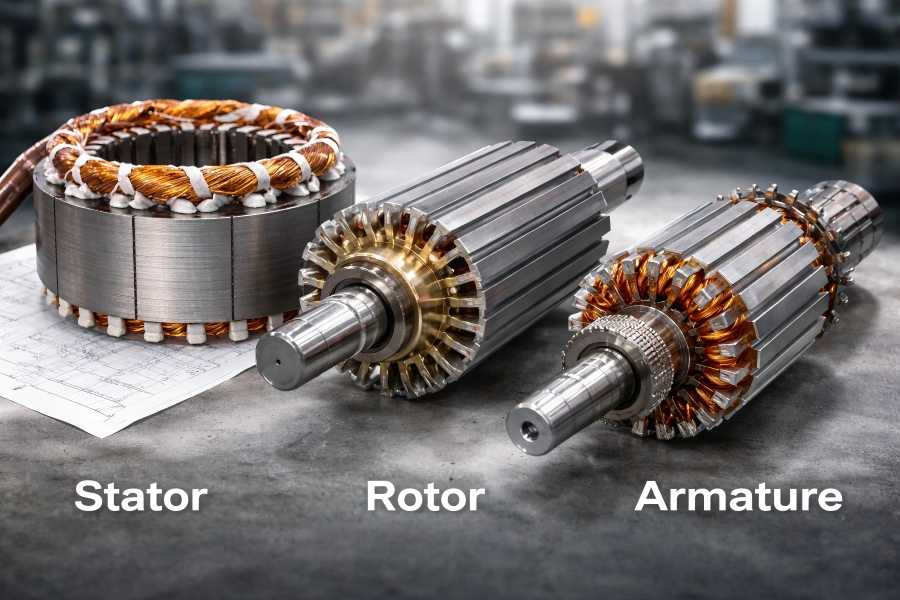
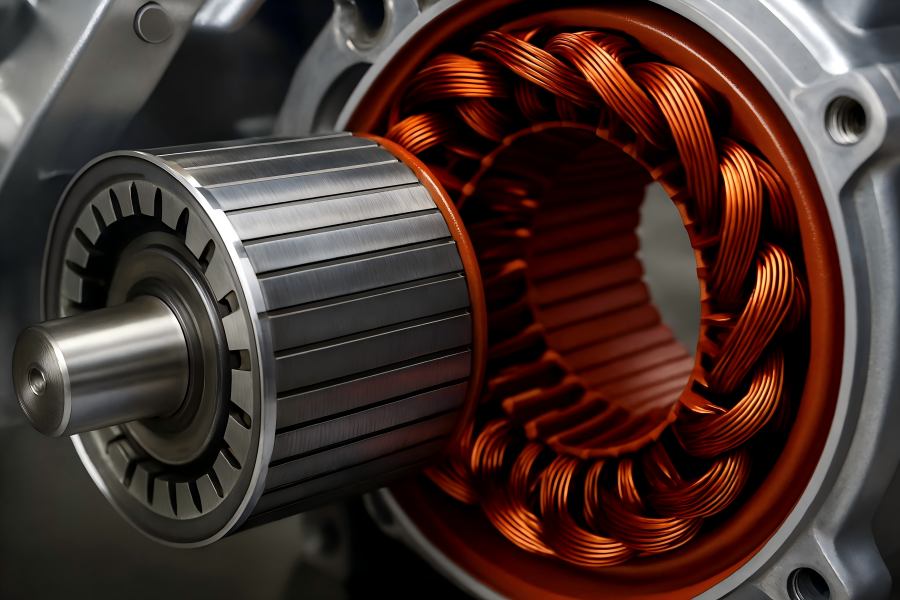
Electric motors power everything from robots and vehicles to home appliances. At their core are two key parts: the rotor and stator. These components directly affect motor performance, efficiency, and how well a motor suits specific applications. Knowing the difference between them helps engineers and developers make smarter design choices and solve problems more effectively.
Read Article
Electric motors power many of today’s devices and machines—from home appliances to industrial systems and electric cars. Two essential components are at the heart of every motor: the rotor and the stator.
Read Article
Electric motors and generators in vehicles, machines, appliances, and turbines all depend on one key part: the motor core. Though often unseen, its design greatly affects efficiency, torque, heat control, and noise.
Read Article
In electric motors, stator and rotor laminations play crucial yet distinct roles in determining overall motor efficiency. Although these components are often mentioned together, their designs, functions, and structural requirements vary significantly.
Read Article
Scroll to Top

Tell us what you need