Blogs

Generator Stator Rotor
Blogs

Generator Stators and Rotors: Long-Term Return on Investment for Industrial Power Systems

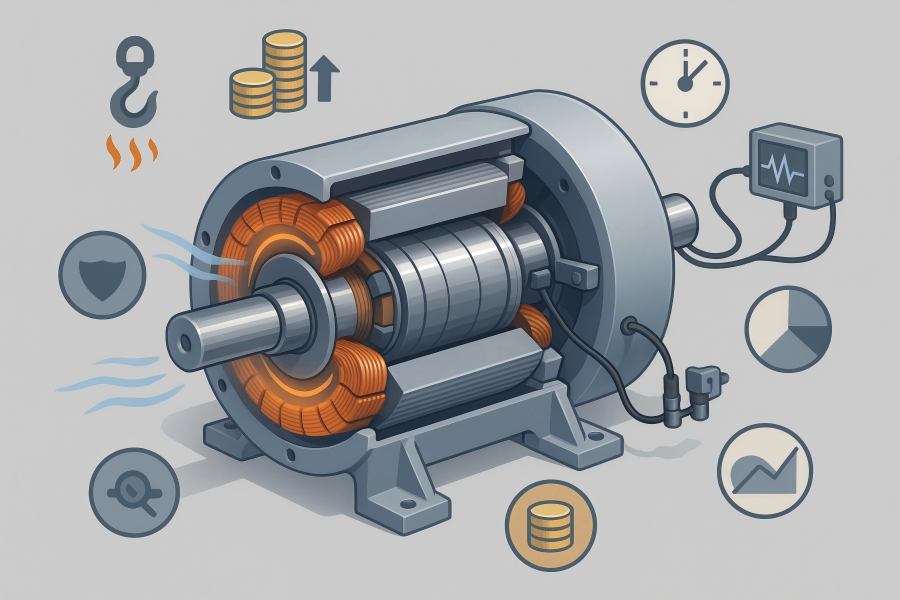
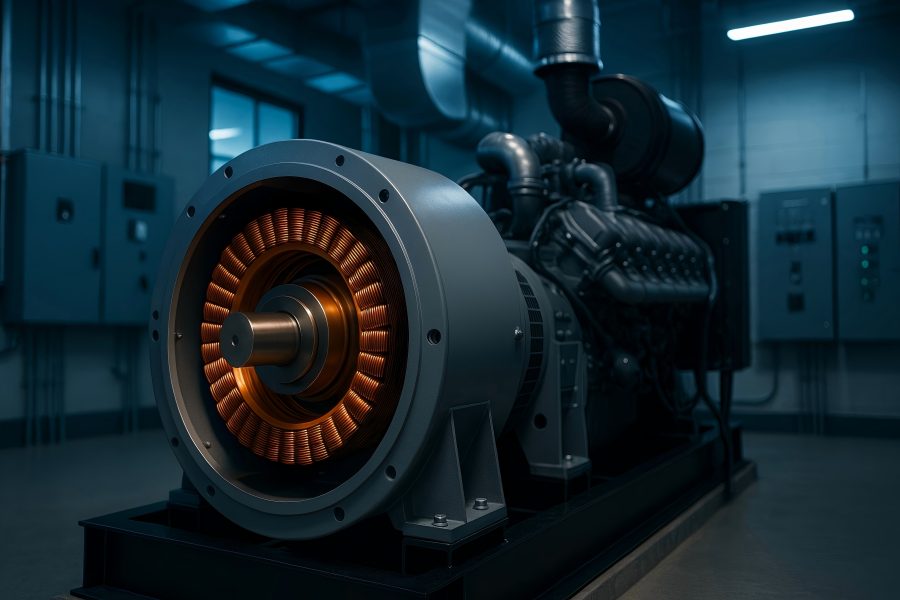
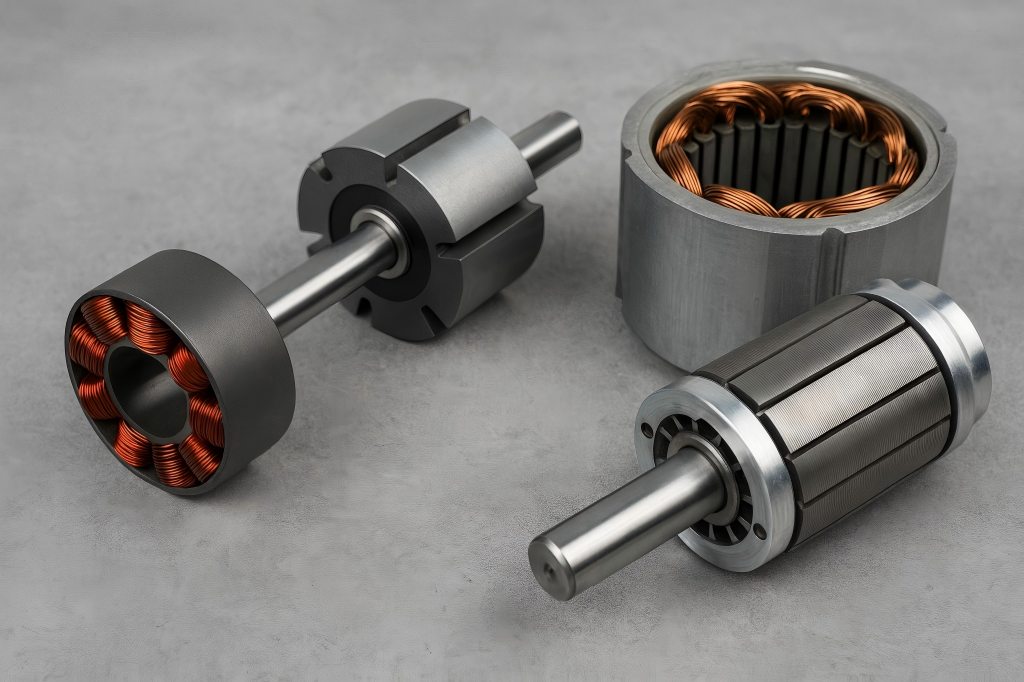
Industrial power systems hinge on uptime, efficiency, and predictable cost. In an alternator, generator stators and rotors drive most conversion losses, thermal stress, and lifecycle risk. Their materials (electrical steel, copper, magnets), winding geometry, insulation, and balance quality set baseline performance and cap reliability—shaping total cost of ownership and 10–20-year ROI.

Generator Stators and Rotors
Blogs

Key Factors Affecting the Cost of Generator Stators and Rotors

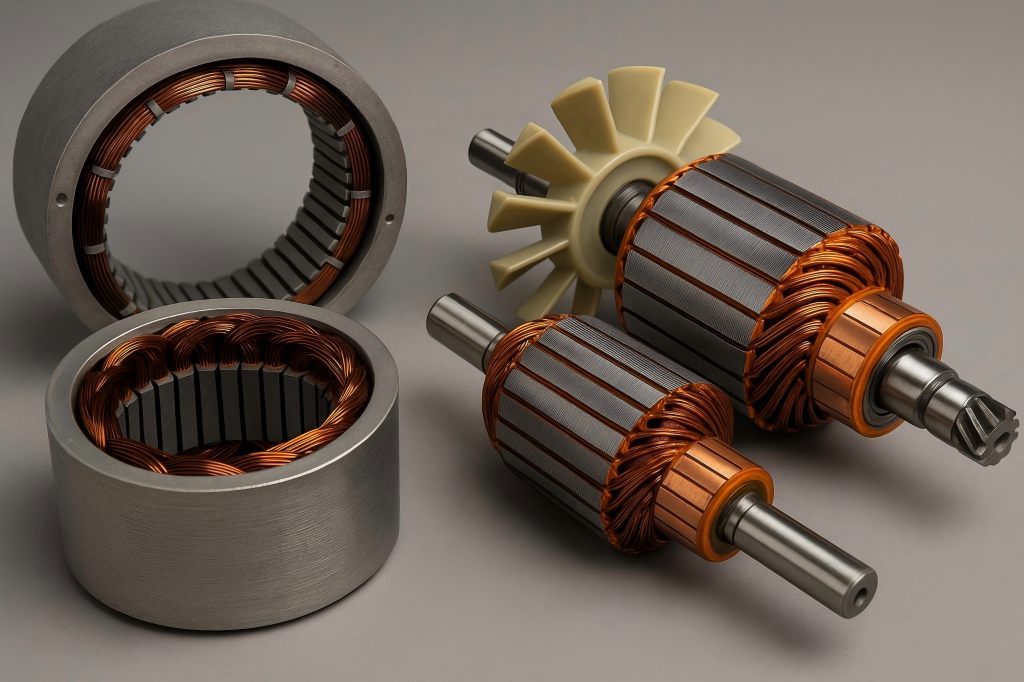
The cost of generator stators and rotors is shaped by a web of interdependent choices: topology and duty define the playing field; steel and copper (or magnets) set the material baseline; winding technology, insulation system, and cooling architecture refine performance; while rotor mechanics, tolerances, and QA/testing determine shop time, risk, and documentation load.

Rotor and Stator
Blogs

The Key Difference Between Rotor and Stator in an Electric Motor

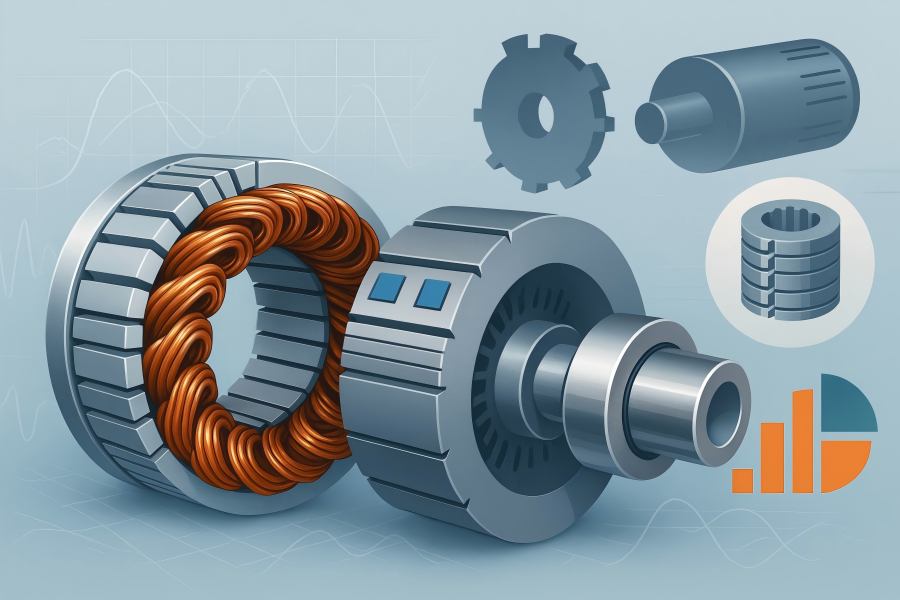
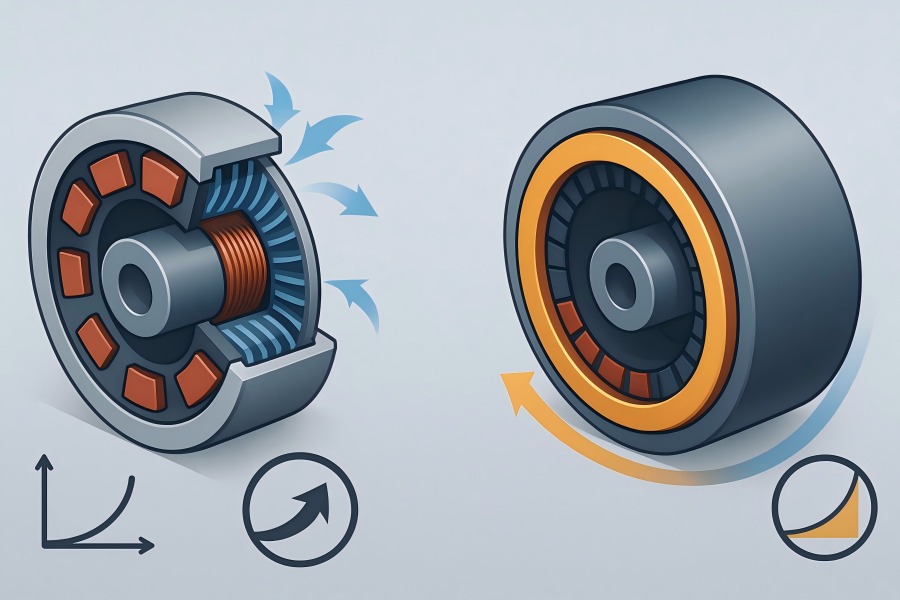
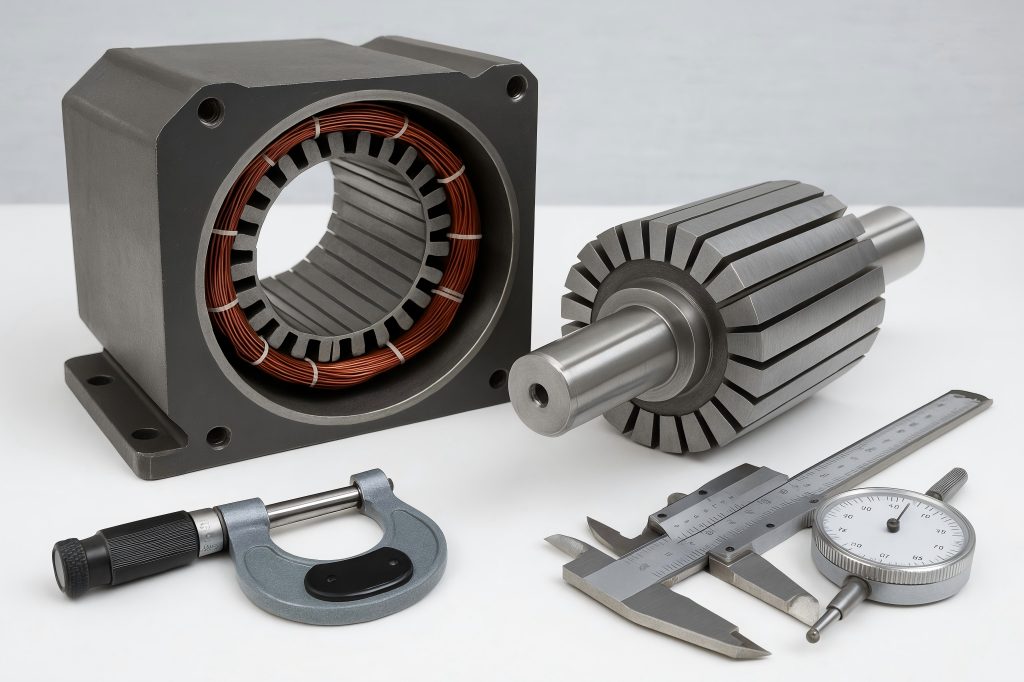
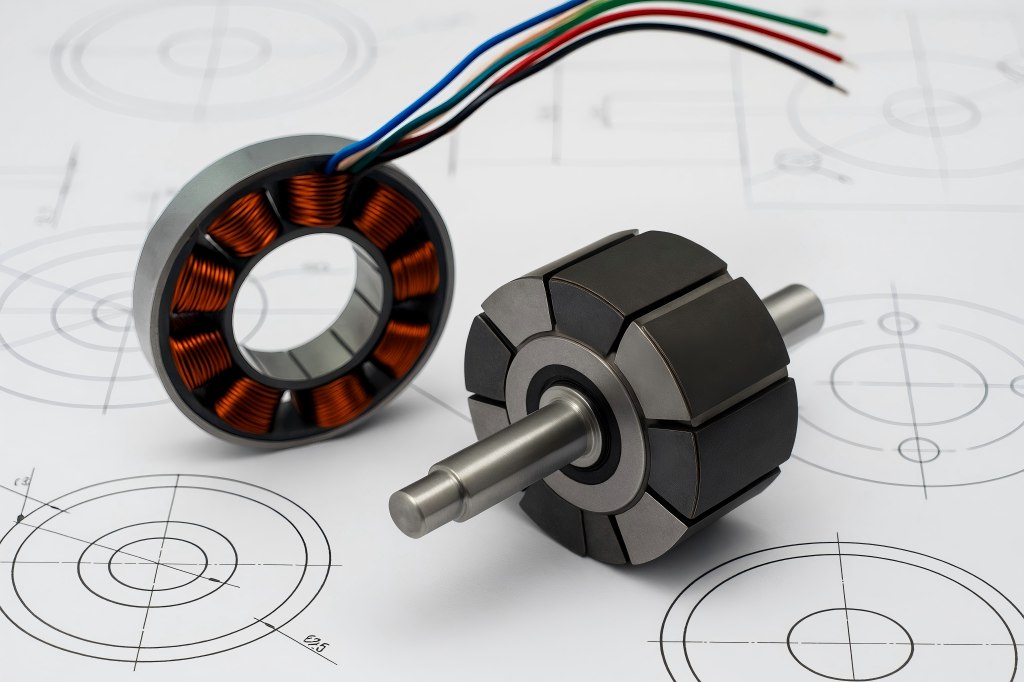
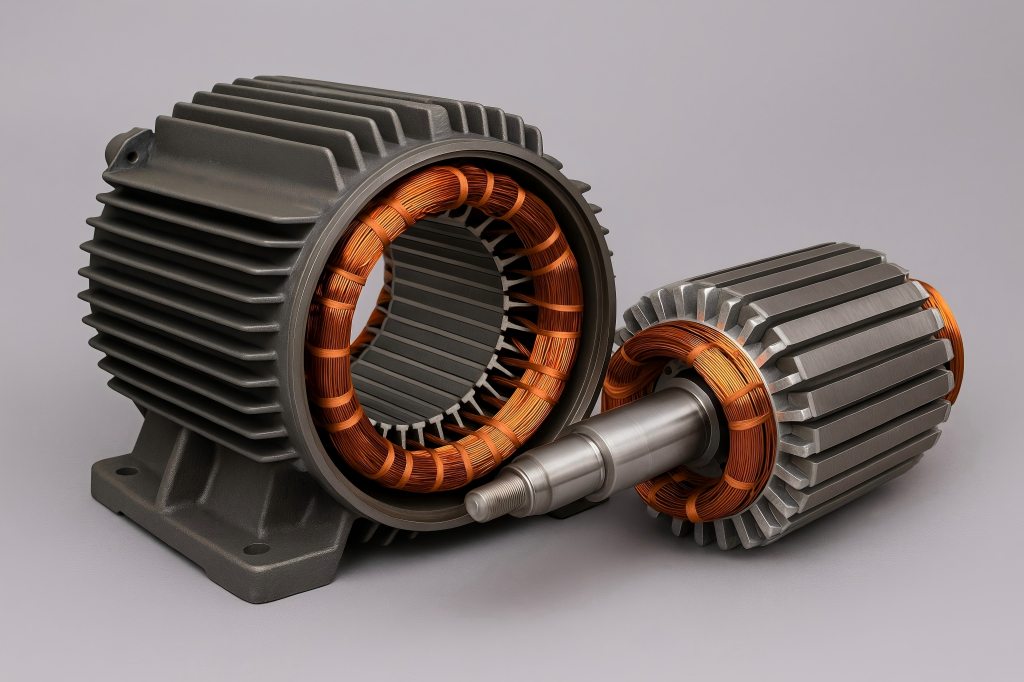
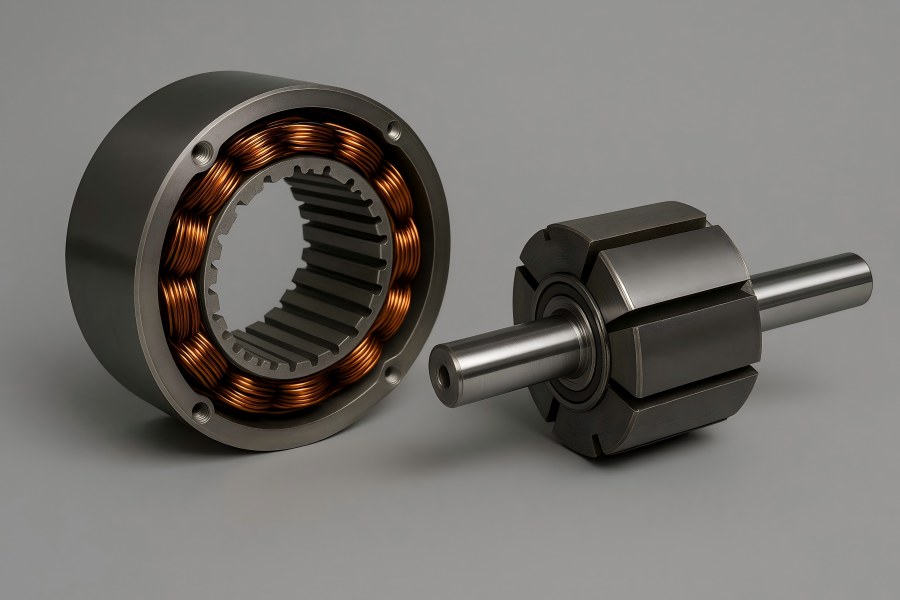
Electric motors power everything from robots and vehicles to home appliances. At their core are two key parts: the rotor and stator. These components directly affect motor performance, efficiency, and how well a motor suits specific applications. Knowing the difference between them helps engineers and developers make smarter design choices and solve problems more effectively.

Scroll to Top

Tell us what you need