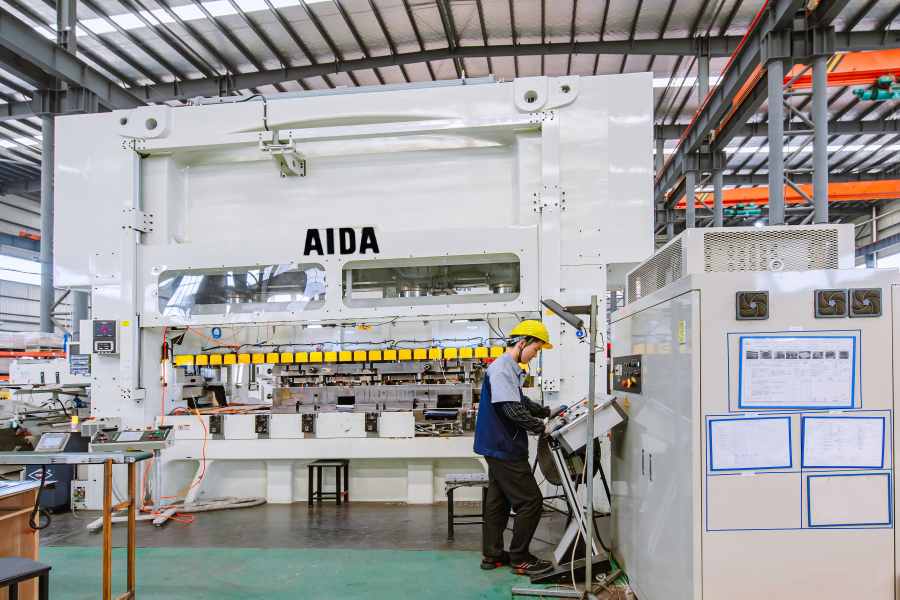
Progressive High-Speed Stamping Cost for Motor Laminations: What Buyers Should Know
Progressive high-speed stamping is a critical manufacturing process for motor laminations, impacting part quality, throughput, and overall production cost.

Progressive high-speed stamping is a critical manufacturing process for motor laminations, impacting part quality, throughput, and overall production cost.
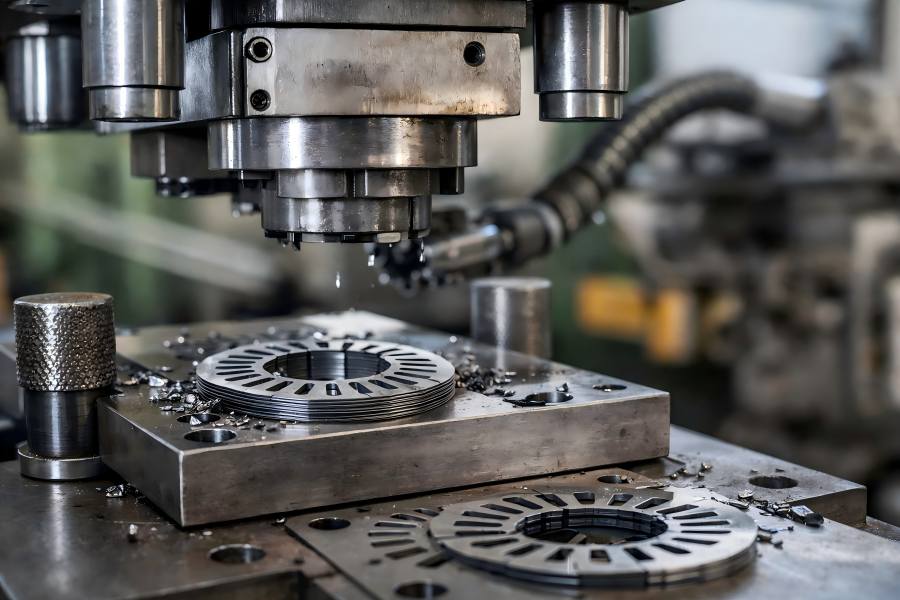
Motor lamination stamping directly affects magnetic performance, efficiency, and reliability in electric motors used across EV, industrial, appliance, and renewable energy applications.
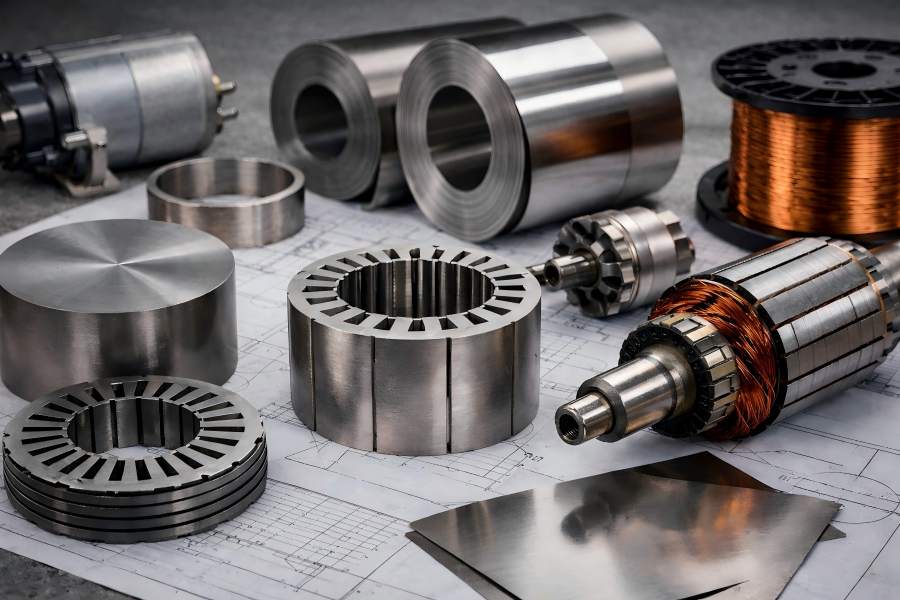
Electric motors and generators power modern equipment across industries, transportation, and energy systems. The motor lamination steel grade used in the core plays a critical role in efficiency, loss reduction, and long-term reliability.
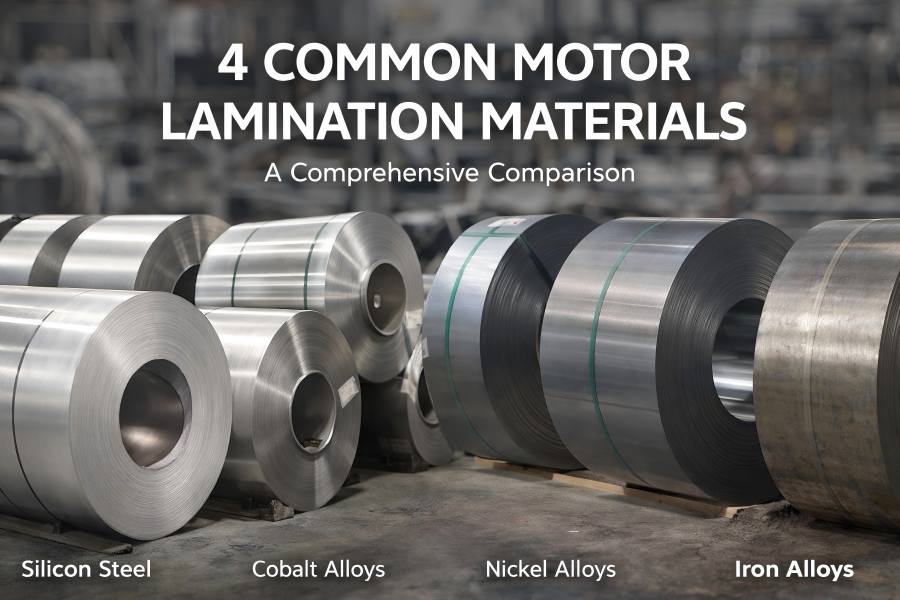
Motor lamination materials determine magnetic performance, iron loss, efficiency, noise, heat dissipation, and ultimately the cost and reliability of the motor.
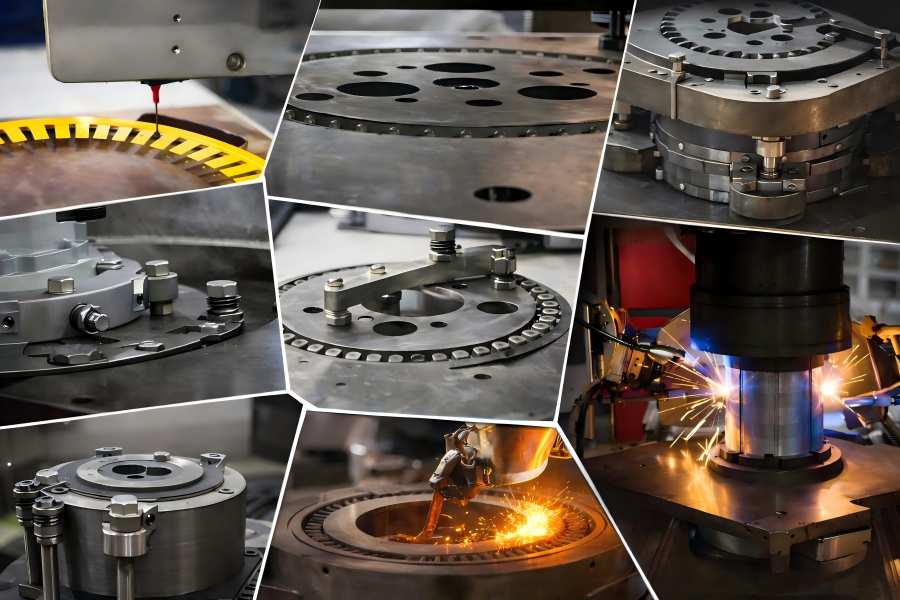
Motor lamination stacking is a critical process in electric motor and generator manufacturing, directly influencing efficiency, magnetic performance, mechanical strength, and production cost.
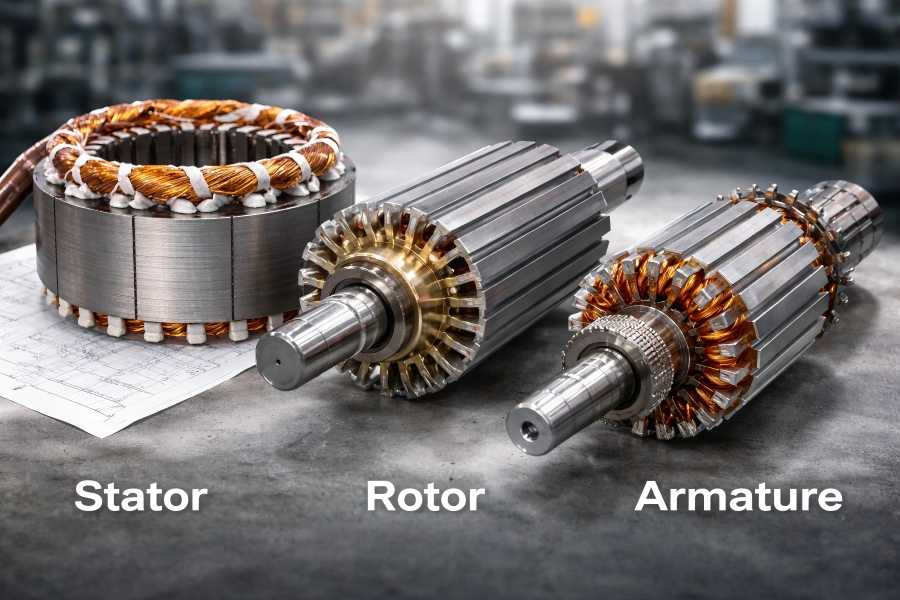
In electric motor engineering, for engineers involved in motor design, manufacturing, testing, or system integration, misunderstanding these components can lead to specification errors, efficiency losses, or incorrect fault diagnosis.
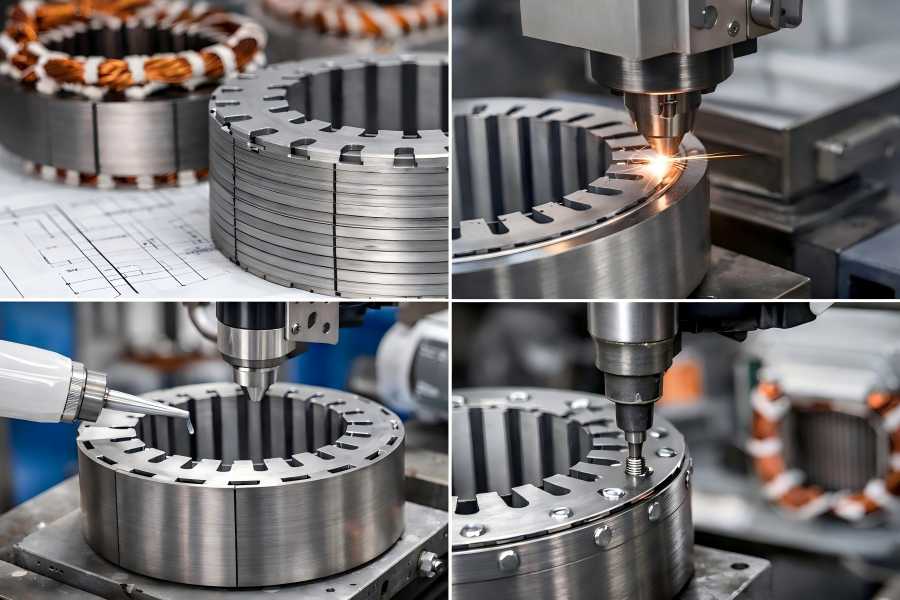
Beyond electromagnetic design and control strategies, the stator and rotor stacking process plays a crucial yet often overlooked role in influencing motor noise and vibration.
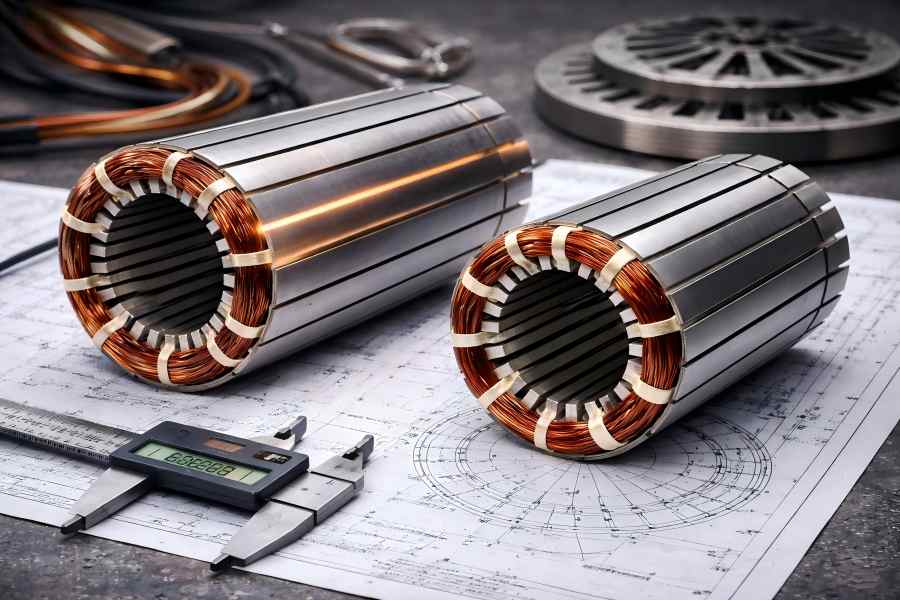
Motor stack length is a key factor that impacts both the performance and efficiency of electric motors. It is essential in determining torque, speed, and energy usage. By understanding stack length, engineers can optimize motor designs to meet specific application needs, improving both efficiency and performance.
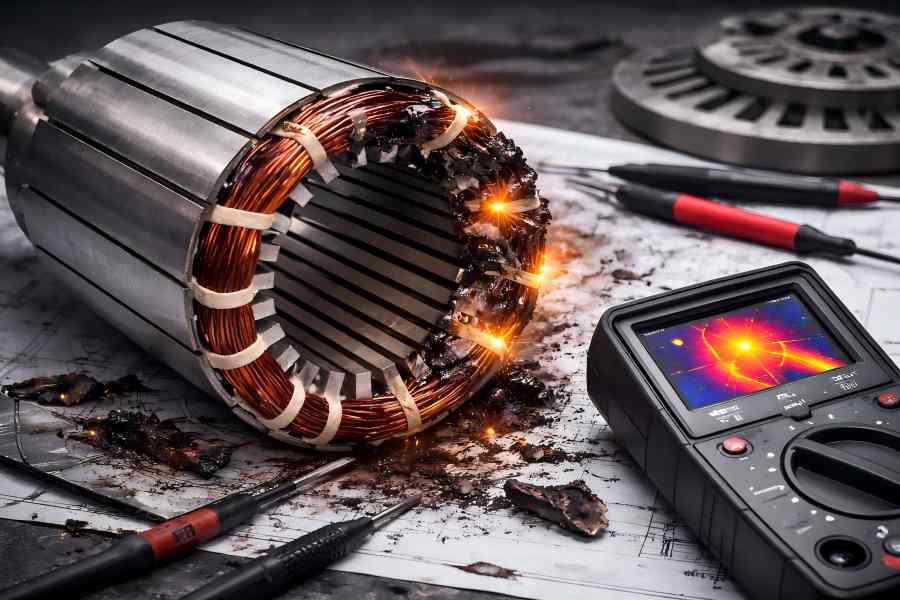
when a stator core lamination develops a short circuit, it can significantly impact the motor’s performance, leading to efficiency losses, increased wear, and potential failure.
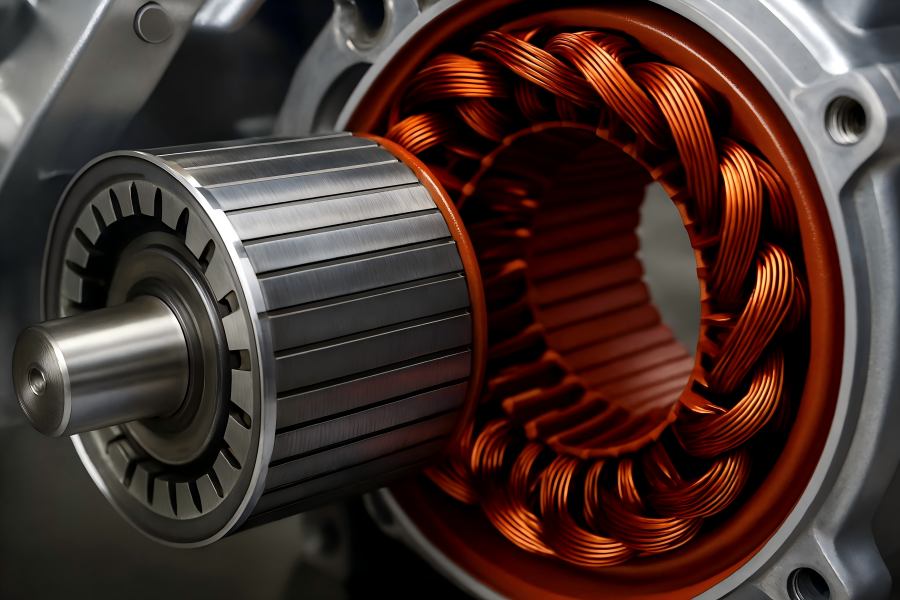
Choosing the right rotor core for a servo motor is essential to achieving optimal performance, efficiency, and longevity. Key factors such as material, geometry, and manufacturing method all influence the motor’s operation.
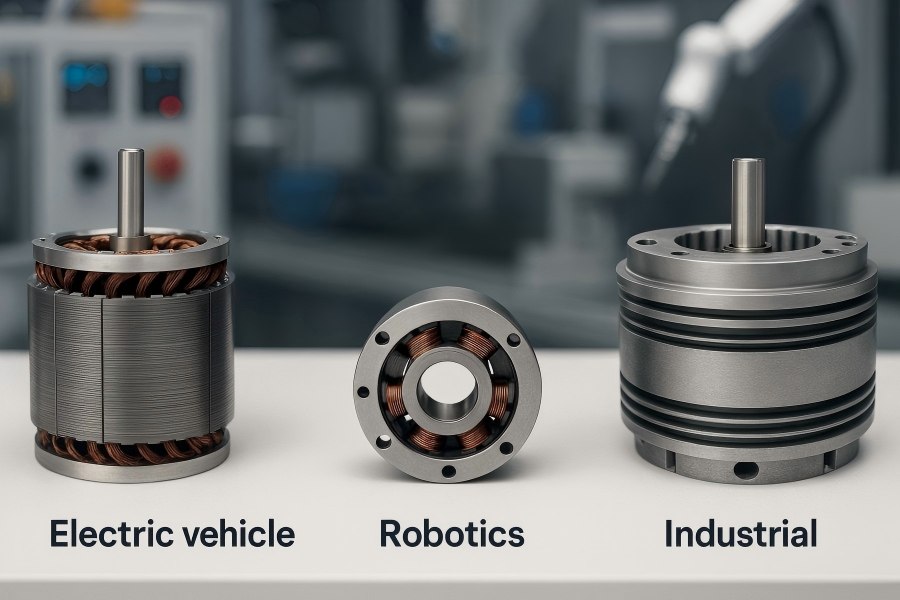
Electric vehicles, collaborative robots, and industrial drives are reshaping modern industry, and all depend on high-performance electric motors. At the core of these motors are stator and rotor lamination stacks, which define efficiency, torque, speed capability, thermal performance, and long-term reliability.
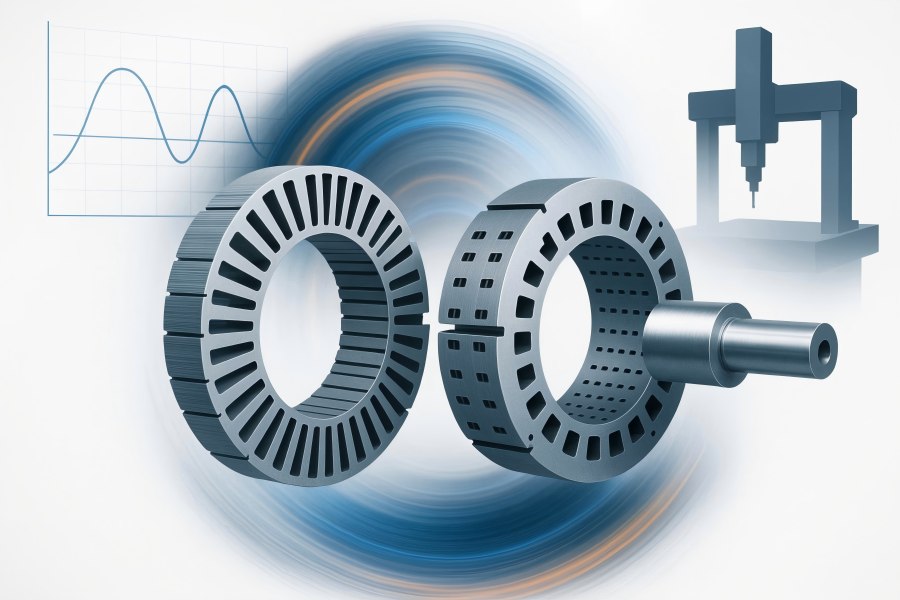
High-speed motors power demanding applications like EVs, compressors, spindles, and aerospace equipment, where small weaknesses in stator and rotor cores can cause loss, overheating, vibration, or failure. In these designs, material selection, lamination thickness, structure, and manufacturing precision directly determine electromagnetic performance, mechanical strength, noise, and efficiency.